GMP Factory Direct Supply Custom Lung-Cleansing Tea Formula
Studies have shown that active components in specific herbs, such as polyphenols, terpenoids, and saponins, can enhance the defensive capabilities of the respiratory tract. Here are several common lung-cleansing teas: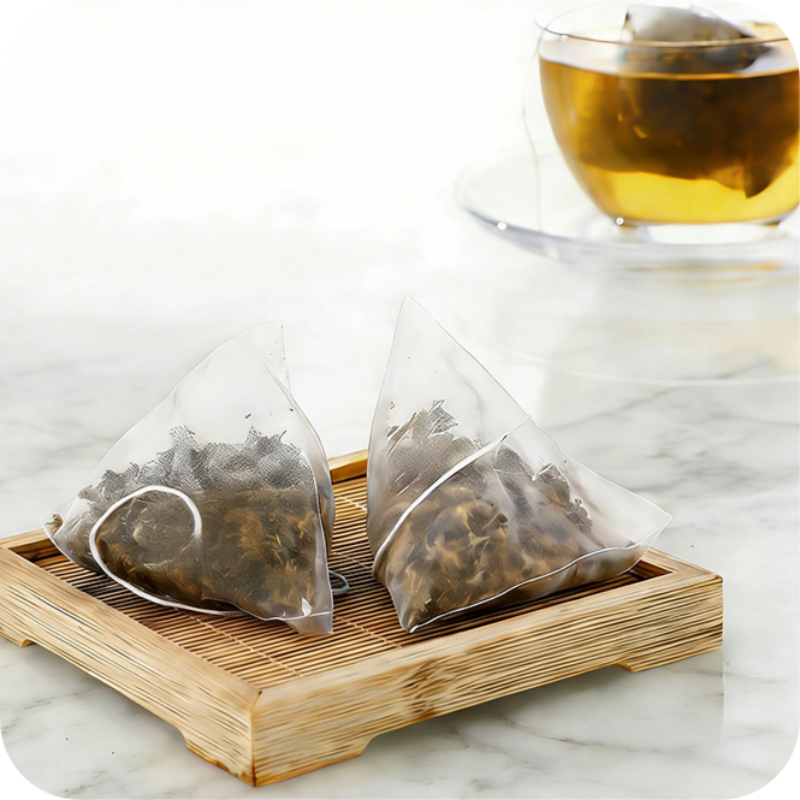
Mullein Tea: Originating from traditional European wellness practices, this tea combines mullein leaves with licorice and lemongrass. Known for its gentle and soothing properties, it effectively relieves throat dryness and irritation, making it especially suitable for daily consumption in air-conditioned environments or areas with poor air quality.
Thyme-Sage-Ginseng-Mint Tea: This blend integrates Eastern and Western wisdom. Thyme and sage offer natural antibacterial properties, ginseng boosts the body's adaptability, and mint provides a refreshing taste. This complex formula supports respiratory health from multiple angles and is ideal for consumption during seasonal changes or periods of fatigue.
Five-Ingredient Lung-Moistening Tea: Rooted in Eastern wellness philosophy, this tea uses nourishing herbs such as platycodon root, adenophora root, and ophiopogon root, supplemented with red dates and lily bulbs. This formula focuses on internal nourishment, helping to alleviate dry coughs caused by lung dryness. It is particularly suitable for autumn or for those in consistently dry environments.
Pine Needle-Citrus Antioxidant Tea: This tea harnesses the natural antioxidants in fresh pine needles, paired with aged tangerine peel and citrus peel. With its refreshing nature, it helps combat oxidative stress and provides protection for the respiratory tract. It is suitable as a daily wellness tea and is especially effective during periods of high pollution.


